My Music Video

My Website

My Website
Click HERE to view my website

Tuesday, October 29, 2019

Post 6: My Chosen Track

I was very careful when selecting a track to use in my music video. I had to find a song that conformed to the codes and conventions of the pop genre, as well as making sure that it would sound believable that I am singing it.

My chosen track is 'Dear Future Husband' by Meghan Trainor. Below, I have attached my research into the song, the artist and the record label that produced it.


Investigating my chosen track

Some of my other choices included:


Upside down - Paloma Faith


This song was a big contender for my chosen track, however, I struggled to envision a narrative when I listened to the music. Therefore, I decided to look at some other songs.


Man! I feel like a women - Shania Twain


I have been a huge fan of this song ever since I was younger. However, the song has big rock and country influences which slightly compromise the pop sound. Therefore, I thought it would be a safer bet to chose a more conventional pop song in order to fulfil the demands of the brief.


Mercy - Duffy


When listening to this song, I was able to envision a really cool and classy dance routine that could be performed in the music video. However, the music itself is less upbeat and pop sounding, so inevitably, I had to reject it.


Dear Future Husband - Meghan Trainor


In the end, I decided to go with 'Dear Future Husband', because the music and lyrics are very upbeat and positive, and I think that it sends out a very important message about self-worth and knowing how you should be treated in a relationship. It also follows the conventions of a pop song, with a verse-chorus structure, repeated choruses, catchy hooks and a running time of just over 3 minutes.

Initially, I listened to the song without looking at the music video, so that I was able to create my own interpretation of the lyrics instead of being influenced by the work of the original artist.

Below I have attached the lyrics with my initial ideas and interpretations annotated on the side.


I want the visuals to amplify the the lyrics, as I imagined a couple going on dates and getting married when listening to the song. Therefore, I am going to go with the theme of love for my narrative, as this is easy to understand, enjoyable to watch and it conforms to the pop video conventions.

Post 5: My Target Audience

The brief specifies that we make our music video for a mass target audience of 'fun loving 16-25 year olds'. I conducted come research into the target audience, in order to understand their music consumption habits, as well as current social trends within the age group.


target audience


I had a look at some of the research that Channel 4 conducted into the different types of youth groups that consume the media. There are 5 different groups, referred to as 'tribes'. These include alternative, mainstream, leading edge, urban and aspirant.


The Alternative tribe aim to set themselves apart from mainstream trends. They are passionate about music and tend to support 'authentic' artists. Tribe members often buy music and merchandise from artists that they love, and are frequent gig goers. The tribe are particularly active on social media, sharing their tastes with their friendship groups.


Mainstreamers are typically fans of popular chart music, prime time TV and high street fashion. There is little desire to search for alternative styles or sound, and they are happy to stick to what they know. They typically listen to Capital FM and Radio 1 and read Heat and Elle Magazine.


The Leading Edge tribe are very in touch with global trends. They are typically activists and creators, and they try to make a difference to the world. The tribe is becoming increasingly younger, as more young people are trying to make a change. (e.g. extinction rebellion)


The Urban tribe consists of young people living in multicultural areas, with influences from various cultures. Being part of the 'local' scene and supporting new talent appeals to this group. They tend to get involved in local movements, and they like to identify themselves with a specific area. They are proactive in searching for new music and trends, and like to share their findings online. They play a huge part in dictating which artists break through to the mainstream.


The Aspirant tribe are very determined individuals. They are heavily influenced by what's 'cool' and they tend to spend big in order to get what they want. They are massive consumers and have strong brand affiliations. If they like a brand, they tend to remain loyal to it.


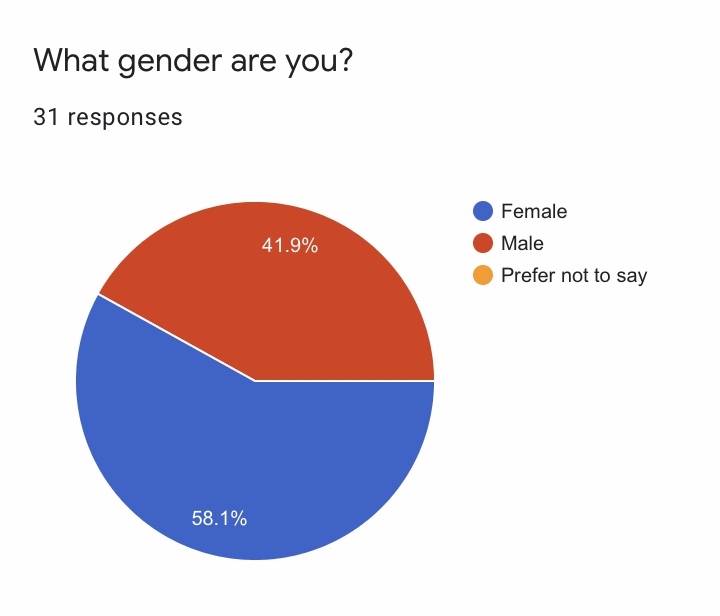
As a class, we created an online survey about the way in which the target audience consume pop music. These were the responses we received:


An interesting thing that I learnt from this research, is that one of the most common ways of discovering new music is through the website and social media of the artist, as well as through friends and YouTube. This confirms the massive importance of creating a strong online presence to promote my artists music.

I intend to post BTS photos and videos from the making of my music video on my social media pages. This will create a buzz about the release of my music video, and encourage fans to talk about it.


Post 4: The Pop Music Genre

Pop music is sometimes perceived only as 'chart music', when in actual fact, it is defined as any type of commercial popular music. There are also many sub-genres of pop, including art pop, new wave pop, teen pop and orchestral pop.

The genre originated in both the United States and the UK during the late 1950s, deriving from rock and roll.   

Pop music has a hybrid nature and often borrows elements from other styles of music such as urban, dance, rock and country. During the 80's, there was an increase in the use of digital recording, meaning that synthesisers and other electronic features were often heard in pop tracks. 

Pop music is aimed to appeal to a mass audience, and commonly, it attracts a large teenage audience.


'Queen of pop'

'King of pop'


Famous pop artists of 2019 include Ariana Grande, Shawn Mendes and Billie Eilish, who are currently dominating the UK charts. There are also several successful bands in the industry, including Panic! at the disco and Little Mix.

Below, I have embedded my research into the pop genre, where I gained a better knowledge of the codes and conventions of pop music, pop videos and pop artists.


I then looked into how pop artists create content that conforms to the pop genre. I chose to do some extended research on Shawn Mendes and Rita Ora. Mendes is a 21 year old singer-songwriter from Canada, who has been named one of the most influential people in the world by Time Magazine, and Ora is a British singer who has been nominated for three Brit awards. I chose to study these artists in particular as they are young, stylish and could be very inspirational for me when I come to constructing my star persona.


I also looked at some of their most popular music videos to see which codes and conventions they use in order to conform to the pop genre.

Rita Ora - Anywhere


There are lots of beauty shots used in this music video. These shots help to sell the star persona to the audience as we see the artist up close.


We also see a lot of voyeristic treatment of Rita's body


And finally, a bold colour palette is used throughout the video, making it look high budget and glossy. 


Shawn Mendes - Senorita


This music video has a narratuve that is based on love and romance. E.Ann Kaplan says that this is one of the main kinds of encoding in music videos, making it very conventional of the genre.


There are also lots of MCU's and CU's of Shawn, also known as 'money shots'


Finally, there are intertextual links to the 1970s, with the classic 70s American Diner. This is also seen in films such as Greece, so that could be another link.


From this research, I have discovered how artists construct their image to conform to the ideal of a 'pop artist'. This is done through their mainstream fashion, the events that they attend and the work that they do in society. I have also learnt about the codes and conventions of pop music videos, which will help me when it comes to shooting my own music video.

The genre has influenced my ideas on my star persona, the song that I will use, the music video I will create and also the website. I intend to use a chart-topping song for my music video, as pop songs are usually commercially successful. I will also use Andrew Goodwin's music video theory in order to make sure that I am using codes and conventions correctly. We can see these being used in the existing music videos that I analysed. Furthermore, Rita has inspired my style choices, both for the outfit in the music video and for my social media posts . I will wear fashionable and bold clothing to conform to genre conventions.

Post 3: Regulation in the Music Industry

I studied regulation in the music industry in order to grasp the types of songs and music video content that was appropriate to broadcast to a target audience of 16-25 year olds. It has taught me that I must be wary of the language and also the fact that the lyrics could be interpreted in a potentially offensive way.

Regulating bodies

The UK music industry is largely self-regulated, meaning that the artist and the company who represent them retain a certain aspect of control over the content that they produce.

However, there are also several regulating bodies within the music industry, ensuring that the content which is broadcast on the television and radio is appropriate for public viewing.

Ofcom is one of the biggest regulating bodies in the UK music industry. They have the authority to rebuke broadcasters for releasing songs and music videos that break the guidelines on harmful or offensive content, pre-watershed.


Ofcom have a statutory duty to protect under-eighteens. This means that when children are likely to be listening to the radio (pre-watershed), broadcasters have a duty to regulate the type of content they air. They are not allowed to play songs that are potentially offensive. This includes offensive language or potentially offensive interpretations of the lyrics (sexualised language etc.)

In music videos, when songs are combined with clear sexualised images, it means that the material is more likely to cause offence. Again, broadcasters must be aware of this, and only play age appropriate content pre-watershed.


The BBFC are in charge of regulating online music videos. All videos produced by artists signed to Sony Music UK will be classified with a BBFC age rating, if they are deemed unsuitable for children under the age of 12. The rating can be seen next to the video when it is published on YouTube.


UK record labels must submit any music video that they would expect to receive a 12 rating or above, by artists that are signed to their label. The BBFC then examines the videos and classifies them with an age rating, based on the BBFC classification guidelines. British artists signed to US record labels do not have their videos regulated by the BBFC.

The kind of issues that are considered include bad language, dangerous behaviour, drug misuse, violence and nudity.


Another regulatory company are the BPI (British Phonographic Industry). They aim of the BPI is to promote British music and fight copyright infringement.

The Digital Economy Act 2010 addresses issues relating to digital media. This includes copyright infringement as well as Internet domain names. It also makes provisions about the regulation of television and radio.

Streaming

In a tech savvy generation, streaming has become an increasingly popular way of listening to music. It's profits account for around 80 percent of the music industry's revenue. After many years of declining growth in the industry, due to lack of CD and Vinyl sales, as well as an increase in illegal streaming, online streaming services have helped it to recover. Subscriber pay monthly fees to access the service.

Furthermore, companies such as PRS help artists to tackle the changes that streaming has brought about in the industry. They also help to fight music piracy and pay their members royalties when their work is broadcast, streamed, downloaded or used on TV.


Banned Music

I did some additional research into a couple of songs that were banned from being broadcast on the television and radio, and I have embedded this below.


This research has really made me think about the nature of my choices. Because I have under-eighteens in my target audience, I have to be a lot stricter about the regulation of my music video. For example, there cannot be any offensive language in the lyrics of the song I choose and there cannot be any offensive imagery in the music video. Further more, alcohol consumption is not allowed, or any allusions to bad or antisocial behaviour.

Therefore, I intend to choose a song with no offensive language and without any references to inappropriate themes such as sex and drugs etc. In the music video, I will also keep my performance viewer friendly, having no sexualised images or inappropriate behaviour. 

Post 2: The Role of the Internet in the Music Industry

The internet plays a major role in the music industry. An artist is not only able to promote their products (music, merch etc.), but also promote themselves and their star persona through creating a unique brand identity and sharing it with an online audience. Artists tend to have an official website, as well as several social media platforms.

Creating synergy across all digital platforms enables the artist to establish a solid brand identity. They do this through using a uniform colour scheme, font scheme and image. For example, an artist might use the same profile picture on all social media platforms. Audiences can then identify them more easily through recognising their brand.

Audiences have a tendency to want to share, comment, and interact with the artist and other fans, and this is made possible through the internet. They are able to like and comment on social media posts, and commonly on websites, artists have a feedback section where fans can leave comments and reviews. The internet has also brought about fan forums, where fans are able to chat about the artist. This gratifies their need for social interactions, as they are able to talk about the artist with other fans.


Fan forum


 Through digitally converging all online platforms, you are encouraging more online traffic between all digital sites (social media, website etc.) This can be done through setting up links to the website from the social media platforms and vice versa. Essentially, all online platforms aim to encourage traffic back to the artist's website. This is because the website is home to all the monetised content, and the record labels aim to make profit from selling the artists products.

I made a case study of Ed Sheeran to see the way that he has constructed his online presence.


This case study has influenced my ideas massively. I have learnt the crucial nature of creating synergy across all online platforms in order to create a strong brand identity and the need to digitally converge all online platforms to drive traffic back to my website. 

I intend to use a pink colour scheme in both my music video and website to create synergy. I will also use the same fonts. Finally, I will have the same profile picture on all of my social media pages to make them recognisable as my artist's pages.